

Surface Water and Groundwater
Ground settlement is a major challenge in infrastructure development due to the safety and damage it causes to the environment as well as to the project itself. Excessive levels of groundwater during a construction project may require a process called dewatering.
The surface water in the given case below (actual site photos) was only filled up with subbase composed of soil and rocks (Figure 6). This particular area was subjected to frequent inundation of surface water for a long time, and when there is surface water, groundwater is usually deposited underneath the native soil. Removal of surface water and groundwater should be conducted prior to any significant soil filling operations by way of excavation—in order to reach the groundwater below the surface. Once groundwater is exposed, dewatering can be done through drainage and/or pumping.
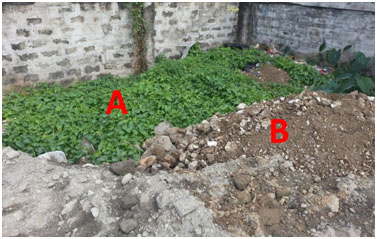
cover the surface water
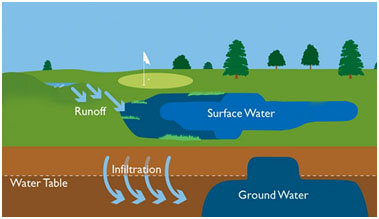
Groundwater (Figure 7) should be seriously dealt with as it has the tendency to influence soil settlement. Possible vertical movement (downward and upward movement of the ground surface)will occur during lowering and rising of groundwater, thus affecting, and possibly damaging the buildings and infrastructures above it.
Note: The following actual case study was conducted by BPMJ Group when it was asked to assess the ground improvement operation in preparation for a construction project in Valenzuela City.